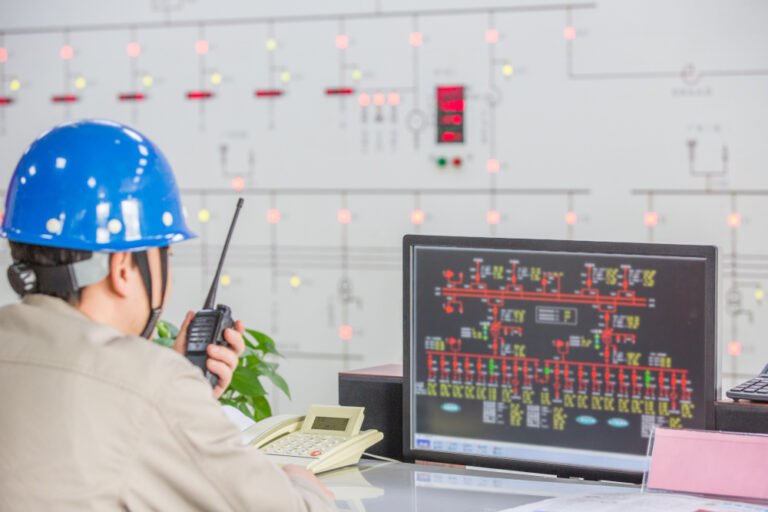
As businesses in Toronto grow, the demands on their office and campus networks increase exponentially. From cloud-based applications and VoIP systems to high-definition video conferencing and data analytics, the need for fast, reliable, and scalable network infrastructure is undeniable. For high-growth offices, investing in a robust backbone network isn’t just a technical choice—it’s a strategic business decision.
A reliable fiber optic backbone cabling offices in Toronto solution ensures seamless connectivity, minimizes downtime, and supports future expansion. In this article, we will explore the benefits of fiber optic backbone cabling, the differences between fiber types, cost considerations, installation best practices, and how to choose the right cabling contractor. We’ll also highlight real-world examples demonstrating improved performance, scalability, and return on investment.
What is Fiber Optic Backbone Cabling?
Backbone cabling serves as the central nervous system of any office or campus network. It connects switches, routers, and network hubs across multiple floors or buildings, enabling high-speed communication between devices. Unlike horizontal cabling, which connects individual workstations to the network, backbone cabling handles the bulk of data traffic and supports the entire infrastructure.
Traditional copper cabling has long been used for office networks, but it comes with limitations such as susceptibility to electromagnetic interference, limited bandwidth, and shorter maximum distances. Fiber cabling, on the other hand, delivers higher bandwidth, longer distance coverage, and superior signal integrity.
For enterprises in Toronto, choosing fiber optic backbone cabling offices in Toronto ensures future-proof scalability, reduced network latency, and reliable performance even under heavy data loads. Working with network cabling specialists and data cabling contractors can guarantee proper design, installation, and testing for optimal results.
Benefits of Fiber Optic Backbone for High-Growth Offices
Transitioning to fiber backbone cabling offers multiple advantages. The following benefits make it a strategic investment for medium to large enterprises:
A. High Bandwidth and Speed
Fiber optic networks can support gigabit and 10-gigabit speeds, far surpassing the limitations of copper wiring. This bandwidth capacity ensures that offices can handle data-intensive applications like video conferencing, cloud computing, and enterprise software without bottlenecks.
High-speed fiber backbone allows seamless communication between servers and workstations, enabling better collaboration and productivity. Combining fiber cable installation with existing cat6 cabling can provide a hybrid solution, supporting both high-speed backbone connections and office workstations efficiently.
B. Scalability for Growth
High-growth offices require a network that can expand alongside their operations. Fiber optic backbone cabling allows enterprises to scale without the need for complete rewiring. Additional floors, departments, or buildings can be connected to the existing backbone, making network cabling installation a future-ready solution.
Working with a cable installer contractor experienced in office backbone cabling ensures proper planning for anticipated growth, avoiding disruptions as the business expands.
C. Reliability and Low Latency
Unlike copper, fiber optic cables are immune to electromagnetic interference, providing stable connections even in environments with heavy machinery or electronic equipment. Reduced interference leads to lower latency, making fiber ideal for mission-critical applications, such as VoIP systems, cloud backups, and video streaming.
For offices integrating security camera installation near me or security system installation service, a fiber backbone guarantees uninterrupted connectivity to surveillance systems across the premises.
D. Future-Proof Network Infrastructure
Investing in fiber backbone today prepares your office for tomorrow’s technological demands. With future-proof network infrastructure, offices can adopt emerging technologies like 4K video, IoT devices, and large-scale cloud deployments without worrying about cabling limitations.
When combined with structured network wiring installation, fiber backbone cabling ensures long-term performance and reliability for the entire IT ecosystem.

Single-Mode vs Multimode Fiber
Choosing the right type of fiber optic cable is crucial for maximizing performance and cost efficiency.
A. Single-Mode Fiber
Single-mode fiber is designed for long-distance transmission and supports higher bandwidths. It is ideal for inter-building connections or campus networks, where data must travel hundreds of meters without degradation.
B. Multimode Fiber
Multimode fiber is more cost-effective for shorter distances, typically within a single office or building. It is easier to terminate and work well with existing network equipment for internal connectivity.
C. Use Cases and Considerations
- Single mode: long-haul cabling, enterprise campus networks
- Multimode: intra-building connections, shorter distances
- Distance limitations: single mode supports longer runs; multimode is limited but suitable for most office environments
- Speed capabilities: both can support gigabit speeds; single mode supports higher bandwidth for future scalability
Integrating network cabling Toronto with the right fiber type ensures optimal network performance while managing costs effectively.
Planning and Implementing Office Backbone Cabling
Proper planning is essential for smooth installation and long-term success.
A. Assessing Office Needs
Evaluate network requirements based on:
- Number of devices and workstations
- Expected growth over the next 3-5 years
- Data-intensive applications and cloud usage
Working with network cabling specialists helps map out the required infrastructure and ensures the backbone can handle future demands.
B. Long-Haul Cabling Considerations
For multi-building offices or large campuses, long-haul cabling fibre is critical. Proper planning ensures minimal signal loss, effective routing, and integration with existing systems such as cat6 installation near me, cat6 ethernet cable installation, or security networks.
C. Cost Planning
Understanding fiber installation cost in Toronto helps businesses budget effectively. While fiber may have a higher upfront cost compared to copper, the long-term benefits—including reduced maintenance, scalability, and higher speeds—often justify the investment. Partnering with certified fiber installation contractors ensures quality installation that maximizes ROI.
Choosing the Right Fiber Installation Partner
Selecting the right cabling contractor can make or break a fiber backbone project.
A. Key Factors
- Experience with medium to large enterprise networks
- Technical certifications and compliance with industry standards
- Proven track record and portfolio of completed network cabling installation projects
- Support services for maintenance and troubleshooting
A professional cable installer contractor ensures seamless integration with structured cabling, cat6 cabling, and additional systems such as security cameras installer near me.
Case Studies / Real-World Examples
- Enterprise Office Upgrade: A Toronto-based financial firm upgraded its backbone to single-mode fiber, integrating network cabling Toronto with existing CAT6 workstations. The result was 80% faster data transfer, minimal latency, and simplified future expansions.
- Campus Network Expansion: A growing educational campus implemented fiber backbone across multiple buildings. Using fiber cable installation and network wiring installation, they achieved high-speed connectivity with long-term scalability and low maintenance costs.
These examples demonstrate how investing in fiber backbone cabling improves performance, reduces downtime, and supports long-term growth.
Conclusion
Fiber optic backbone cabling is not just a technical upgrade; it is a strategic investment for high-growth offices. It delivers:
- High-speed connectivity for gigabit and 10-gigabit networks
- Scalability to accommodate future expansion without rewiring
- Reliable, low-latency performance
- Future-proof infrastructure capable of supporting emerging technologies
Partnering with experienced network cabling specialists and fiber installation contractors ensures proper design, installation, and testing. Offices that invest in fiber optic backbone cabling offices in Toronto today are positioned for long-term success and seamless growth.